


High-Fidelity Airport Development
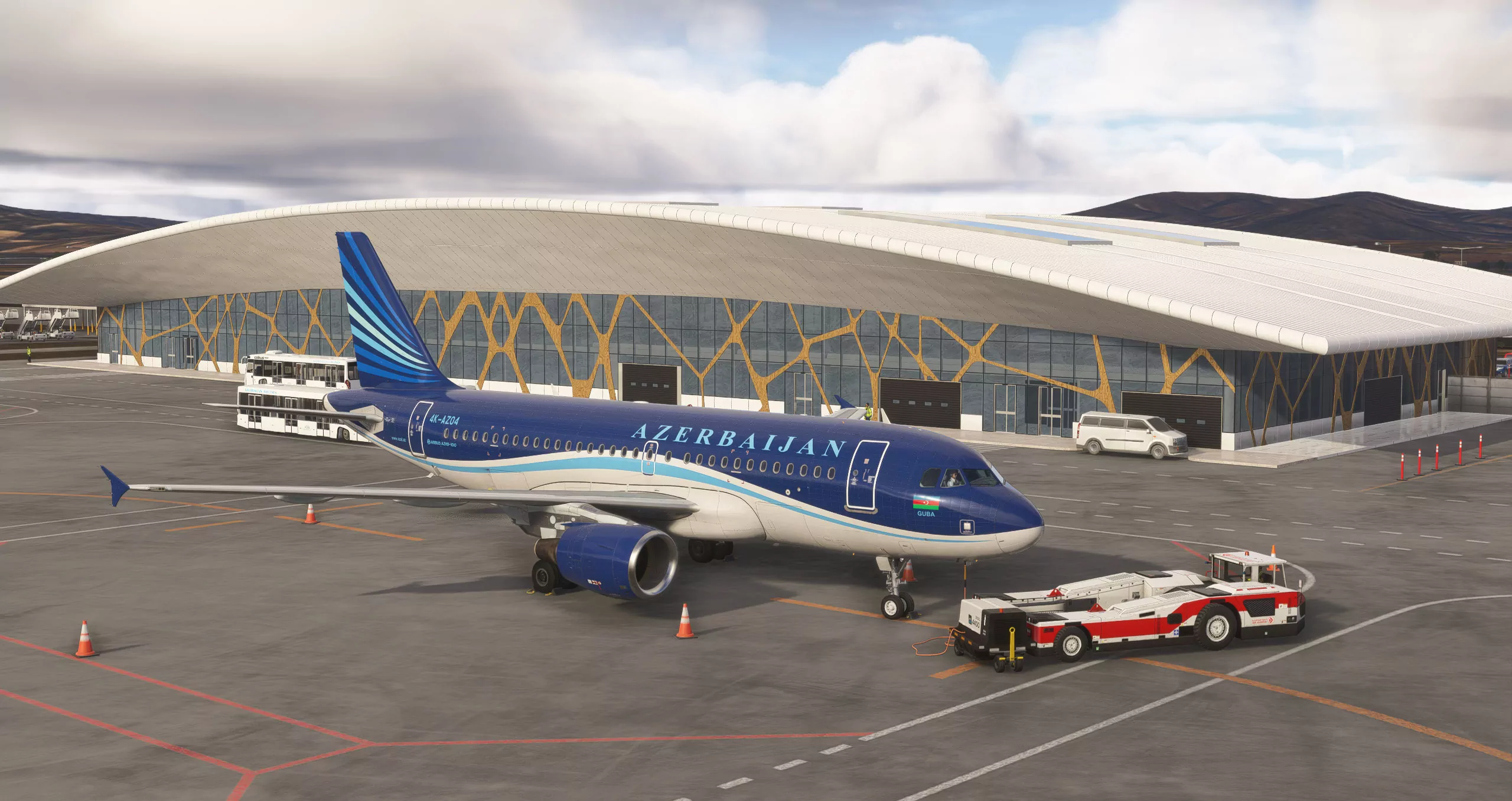
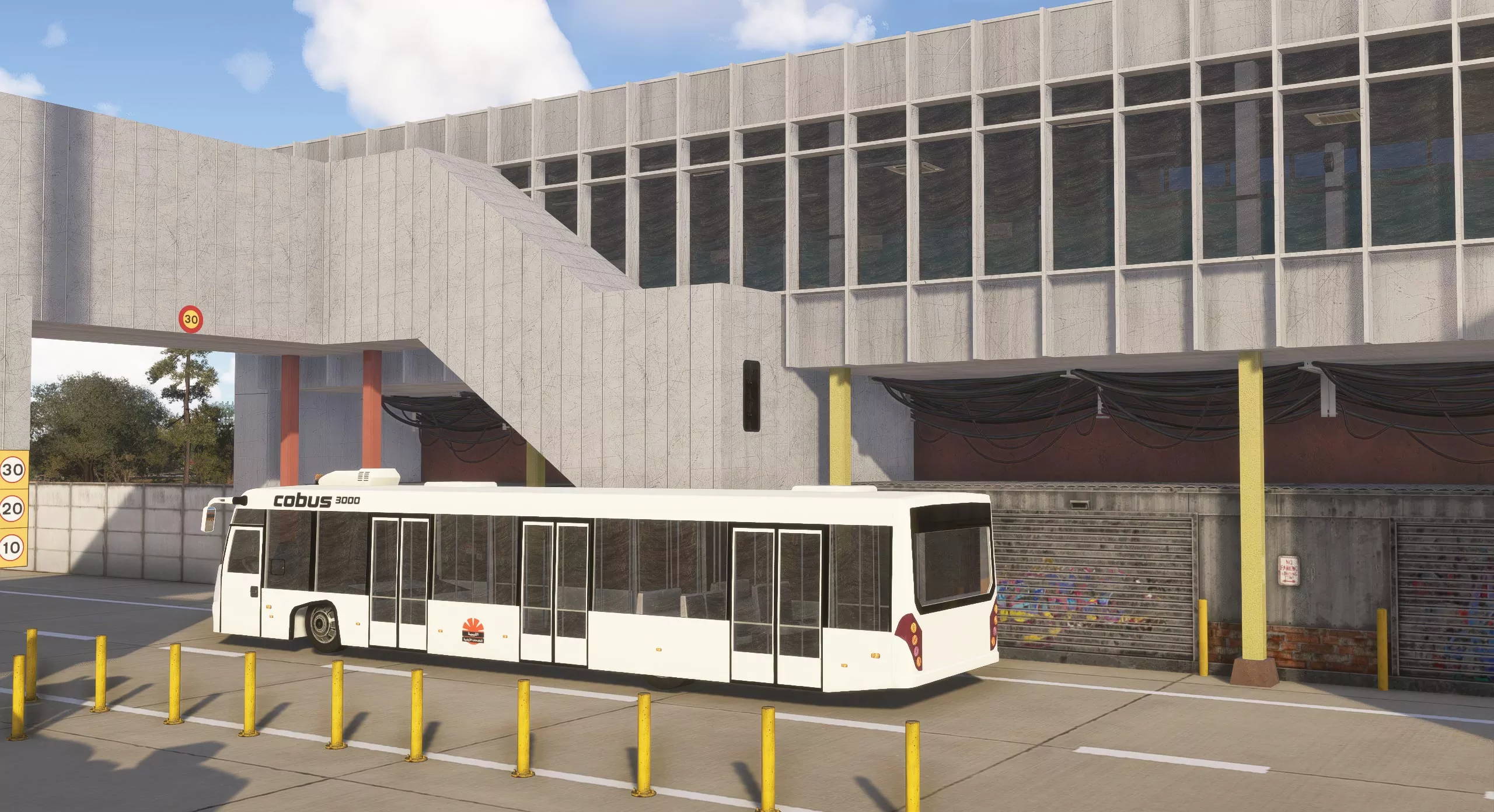
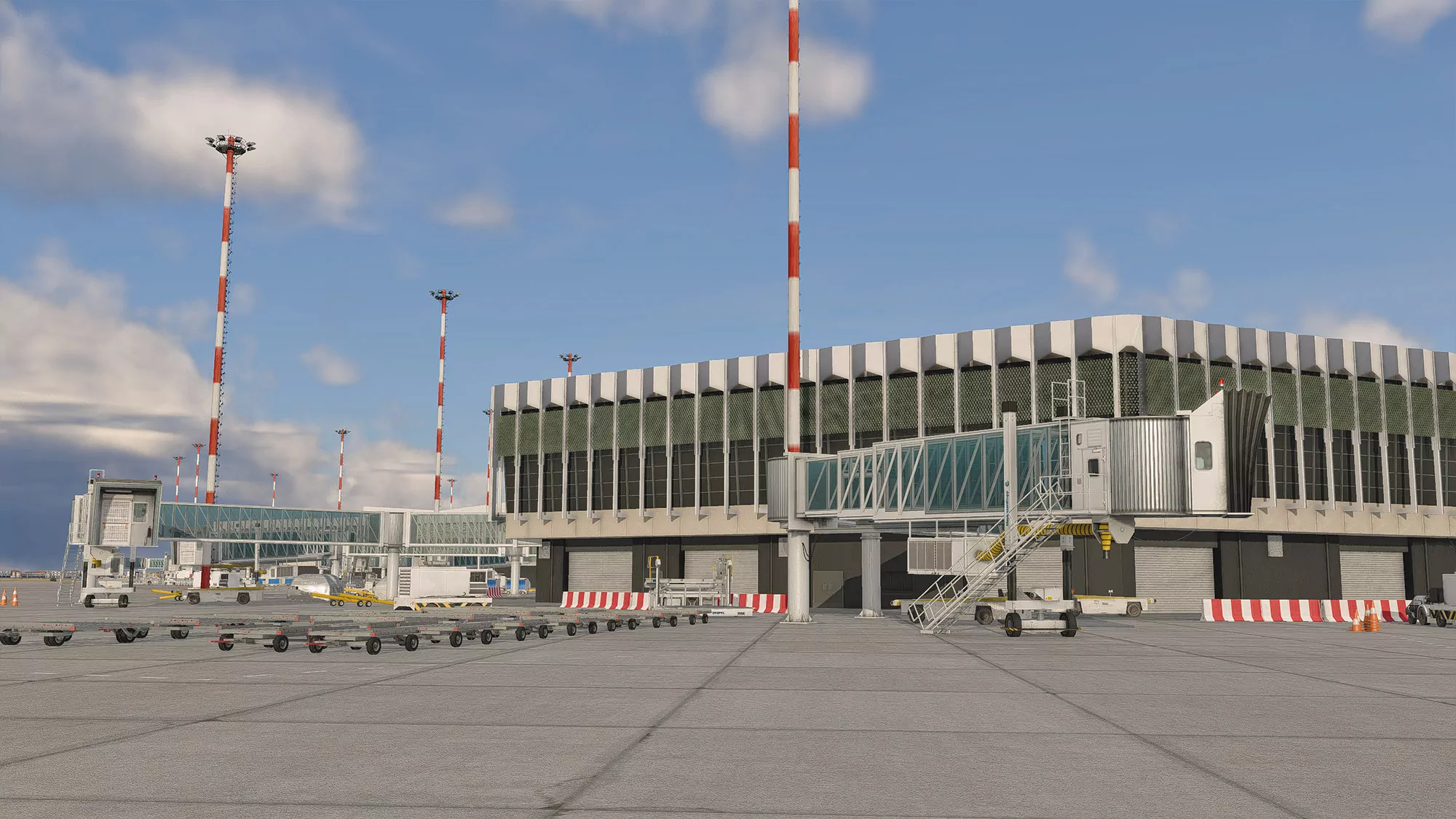
Riyadh King Khalid Airport (OERK) represents one of the most important aviation hubs in the Middle East, requiring exceptional attention to detail in digital recreation. Azrsim develops highly accurate airport environments that capture terminal architecture, apron layouts, taxiway networks, lighting systems, and surrounding infrastructure to deliver a realistic operational experience.
By combining technical precision with advanced 3D modeling workflows, the airport environment becomes more than a visual asset. It serves as a foundation for flight simulation, procedural training, and professional aviation applications where realism directly impacts immersion, learning outcomes, and operational familiarity.
Supporting Training and Operational Excellence
For flight academies, simulator centers, and aviation organizations, realistic airport environments provide significant value beyond aesthetics. Accurate visual references help pilots, trainees, and operators familiarize themselves with airport layouts, navigation procedures, and ground operations before entering real-world environments.
Whether integrated into commercial flight simulators, custom training platforms, or Unreal Engine-based VR solutions, the OERK scenery is designed to support professional training requirements while maintaining the visual quality expected from modern simulation environments. The result is a scalable digital asset that enhances preparation, engagement, and operational confidence.
Real-World Airport Familiarization
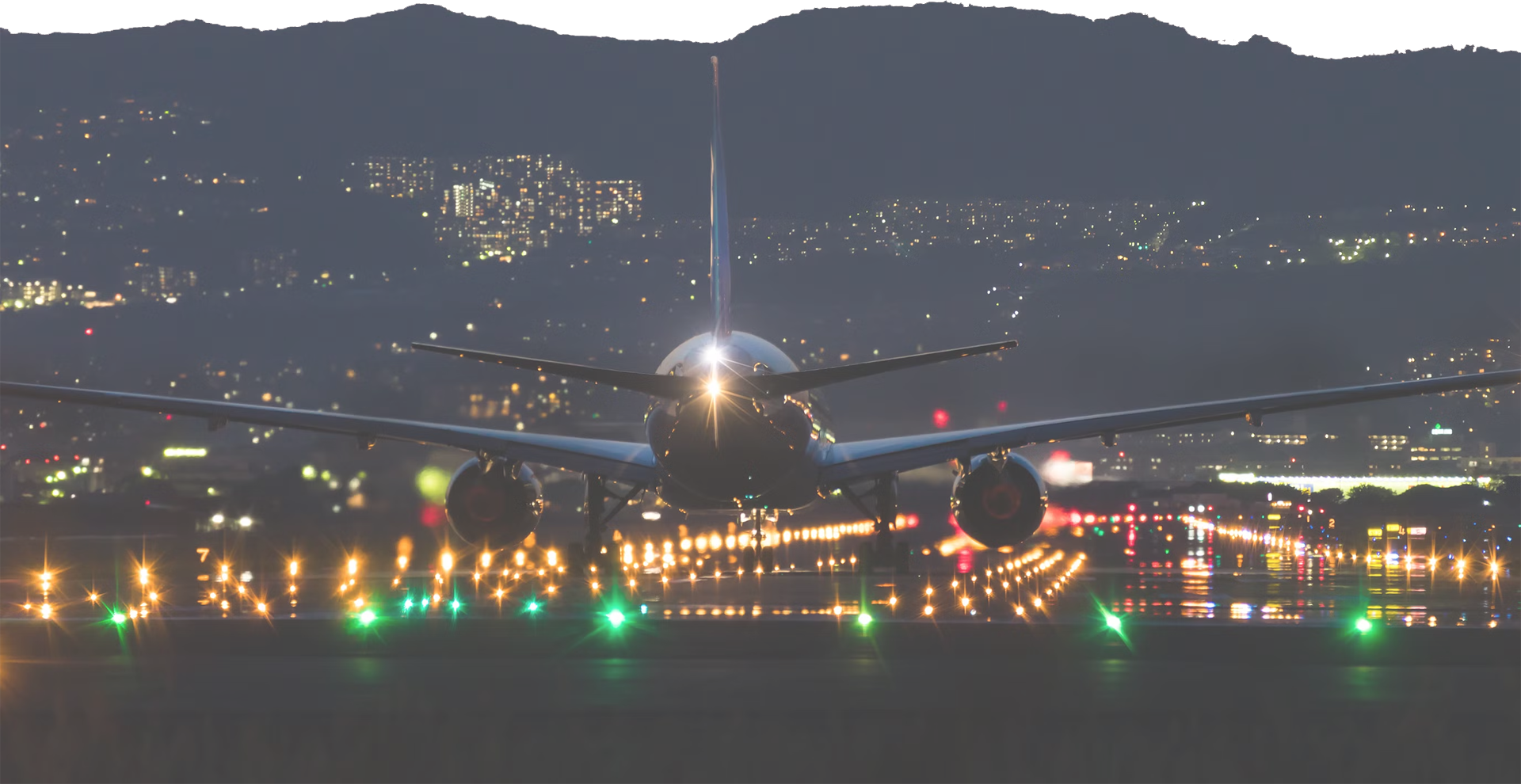
A detailed recreation of Riyadh King Khalid Airport allows pilots and trainees to build familiarity with the airport environment before operating in real-world conditions. From terminal locations and taxiway layouts to visual references surrounding the airport, every element contributes to improved situational awareness and operational confidence.
Enhancing Simulation Value
Rather than relying on generic airport representations, training organizations can utilize a realistic OERK environment that reflects actual airport operations. This improves immersion, strengthens pilot engagement, and provides a more effective training experience for academies, airlines, and simulator operators seeking higher levels of realism.